

Understanding the psychological triggers behind gambling behavior
The Allure of Risk and Reward
The psychology of gambling is deeply rooted in the allure of risk and reward. Players are often drawn to the thrill of potentially winning big, a phenomenon known as the «gamblers’ fallacy.» This cognitive bias leads individuals to believe that past losses increase the likelihood of a future win. This psychological trigger can create a compulsive cycle where players continue betting, driven by the hope of finally hitting that elusive jackpot. The emotional high associated with wins can further perpetuate this behavior, reinforcing the idea that gambling is a viable path to success. With options for instant deposits, you can quickly get started using https://vegasnow-australia.co/deposit/ that cater to various preferences.
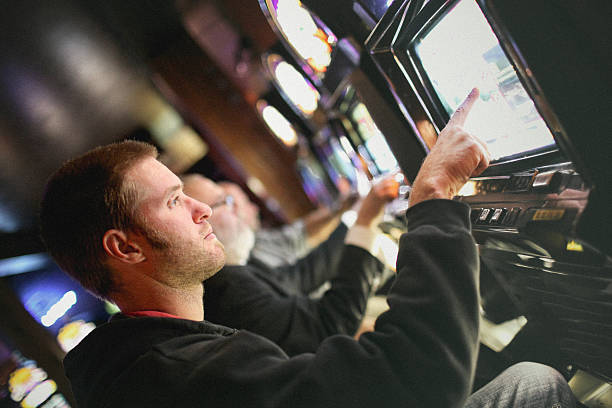
This relationship between risk and reward is not just about financial gain; it also taps into emotional satisfaction. Many gamblers report feelings of euphoria and excitement during gameplay, which can overshadow their rational thought processes. This euphoria is often enhanced in social settings, where communal enjoyment and collective excitement amplify individual experiences. As the brain releases dopamine—a neurotransmitter linked to pleasure and reward—players can become conditioned to chase these feelings, leading to a cycle of repeated gambling behaviors.
Moreover, the impact of advertisement and celebrity culture around gambling cannot be overstated. High-profile figures and endorsements glamorize the gambling lifestyle, making it seem aspirational. This connection to celebrities who are perceived as successful often feeds into the fantasy that gambling is a quick route to wealth and recognition. As such, many individuals find themselves psychologically triggered to participate, believing that they might also achieve similar fame or fortune.
The Influence of Cognitive Biases
Cognitive biases play a significant role in shaping gambling behavior. One prominent bias is the “illusion of control,” where gamblers believe they have more influence over the outcome than they actually do. For example, a player may feel that their betting strategy or skills can affect the results of a game of chance, leading them to gamble more frequently. This false sense of agency can be especially potent in games that require a degree of skill, such as poker or blackjack, making it easier for players to overlook the house edge.
Another key bias is the availability heuristic, which causes individuals to assess the likelihood of events based on how easily they can recall similar occurrences. Gamblers who remember stories of big wins may become overly optimistic, ignoring the many losses that are equally part of the narrative. This selective memory fuels the desire to continue gambling, with individuals focusing on success stories while discounting their own negative experiences.
Lastly, the reinforcement schedule in gambling environments enhances these cognitive biases. Games that reward players intermittently, like slot machines, can create addictive behaviors. When a player wins sporadically, it reinforces the habit, making them more likely to return. This unpredictability keeps players engaged, as they anticipate the next win, often disregarding the long-term odds. Understanding these biases can shed light on why so many struggle with gambling addiction, often feeling trapped in a cycle of hope and despair.
The Role of Emotions and Social Factors
Emotions are significant triggers in gambling behavior, acting as both motivators and inhibitors. High-stress situations or emotional turmoil can prompt individuals to gamble as a form of escapism. For many, the casino becomes a refuge from daily life challenges, providing an avenue to release pent-up emotions. The excitement of gambling can serve as a temporary distraction, but this coping mechanism can quickly spiral into dependence, leading to significant negative consequences.
Social factors also contribute significantly to gambling behavior. Group dynamics can amplify individual tendencies, with peer pressure often encouraging riskier betting. The social aspect of gambling can create a sense of belonging and community, making it difficult for individuals to recognize when their behavior becomes problematic. Celebratory environments, where the thrill of winning is shared, reinforce the idea that gambling is not only socially acceptable but also a form of entertainment.
Additionally, cultural perceptions of gambling shape individual behaviors. In cultures where gambling is normalized or glamorized, individuals may be more likely to engage in gambling activities. The social acceptability of gambling can create environments where risky behavior is overlooked, making it harder for individuals to step back and evaluate their habits critically. Understanding the interplay of emotions and social factors provides valuable insights into why gambling can become an ingrained part of a person’s lifestyle.
The Impact of Technology on Gambling Behavior
The advent of technology has dramatically transformed gambling behavior. Online casinos and mobile betting apps have made gambling more accessible than ever, leading to an increase in participation rates across demographics. This convenience often means that people can gamble in private settings, which may encourage more impulsive betting behaviors. The instantaneous nature of online gaming can also amplify feelings of excitement, making it easier for individuals to lose track of time and money.
Moreover, technology has changed how gambling is marketed and experienced. Personalized promotions, targeted advertisements, and gamified experiences create an enticing environment that draws players in. These tactics can lead to the normalization of gambling behaviors, as individuals may find themselves constantly bombarded by messages suggesting that gambling is a fun and easy way to earn money. This constant engagement can trigger compulsive behaviors, as players feel pressured to participate to keep up with social norms.
Virtual reality and live-streaming platforms also introduce new dynamics into gambling. Players can now engage in real-time betting experiences from the comfort of their homes, further blurring the lines between social interaction and individual play. As technology evolves, the potential for behavioral addiction increases, creating new challenges for those who may already struggle with impulse control. The psychological implications of these developments warrant careful consideration and understanding.

Exploring Online Gaming with VegasNow
For those looking to explore gambling behavior in a safe and secure environment, platforms like VegasNow offer an exciting opportunity. With options for instant deposits and a variety of games, this platform caters to Australian players seeking both convenience and entertainment. The ease of funding accounts through secure methods ensures that players can enjoy their gaming sessions without the hassles often associated with online gambling.
VegasNow prioritizes user experience, allowing players to engage in a wide range of gaming options—from traditional poker games to innovative sports betting. The emphasis on transaction security and user-friendly interfaces further enhances the enjoyment of the gaming experience. Additionally, the absence of deposit fees ensures that players can focus on their gameplay, rather than worrying about hidden costs.
As gambling behaviors continue to evolve alongside technological advancements, platforms like VegasNow provide a responsible space for players to indulge in their interests. Understanding the psychological triggers behind gambling can lead to a more informed and enjoyable gaming experience. By emphasizing convenience, security, and user satisfaction, VegasNow exemplifies how online gambling can be approached thoughtfully and responsibly.